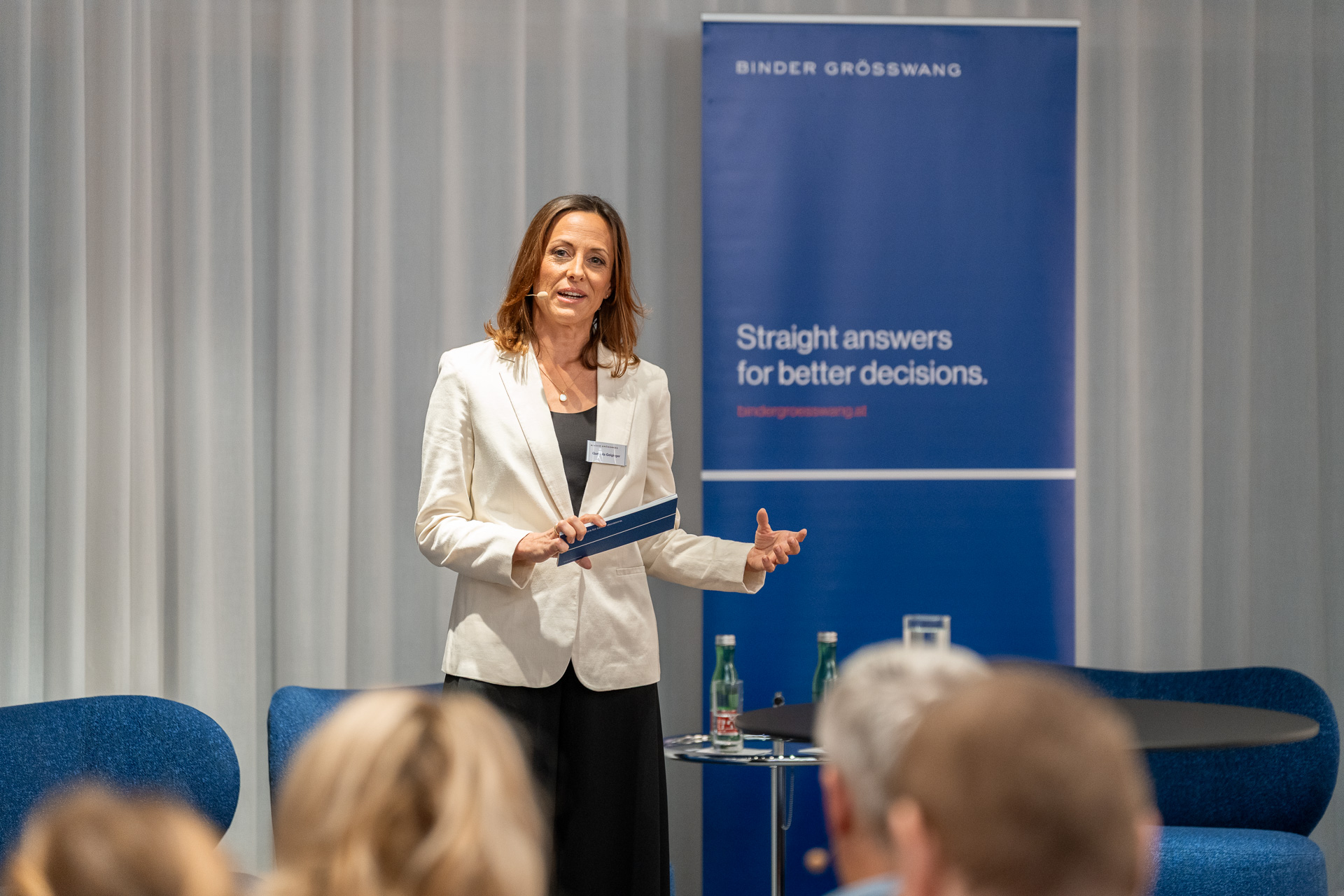
Keynote speech and panel discussion at Binder Grösswang: AI and Ethics – What does AI do to our society?
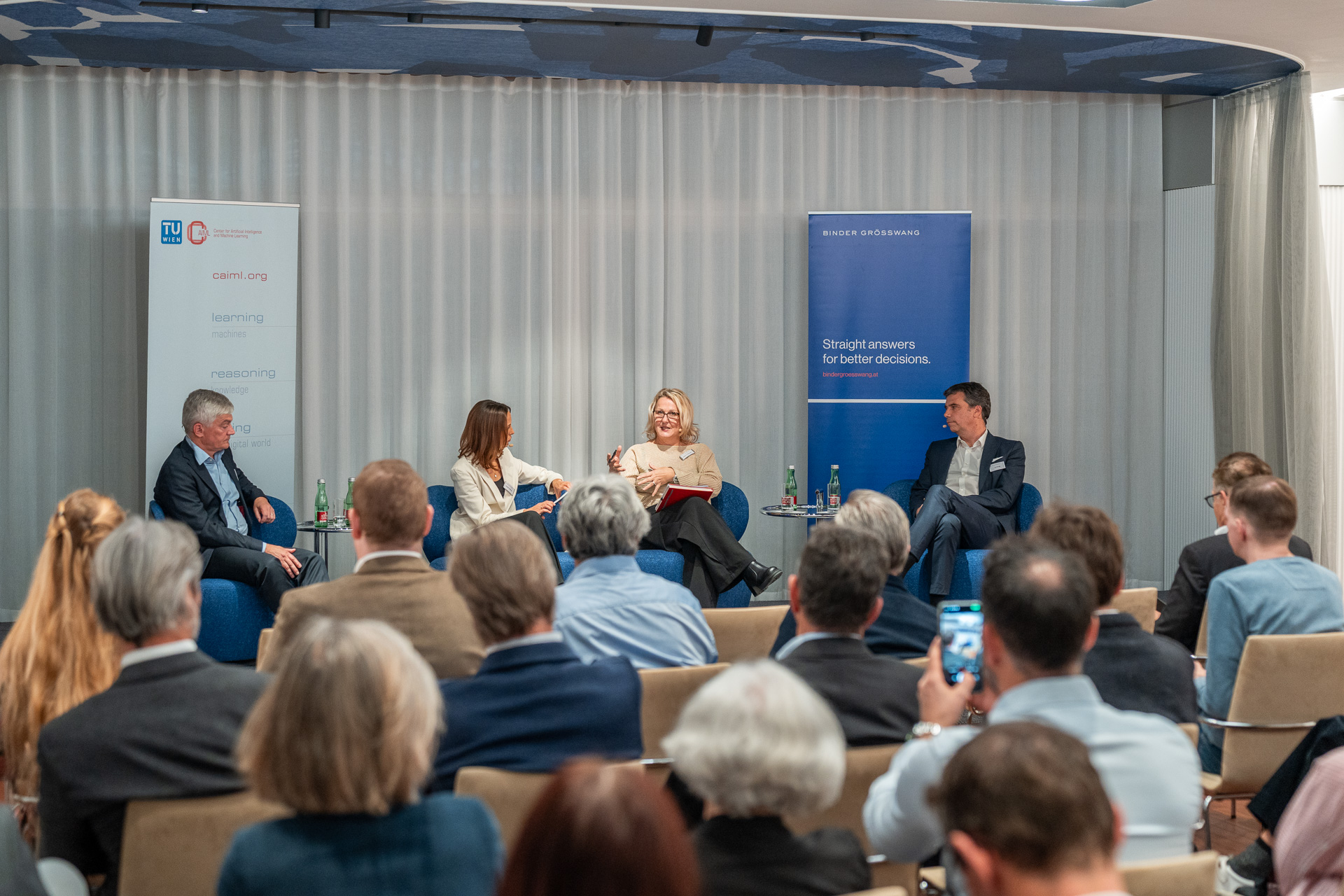
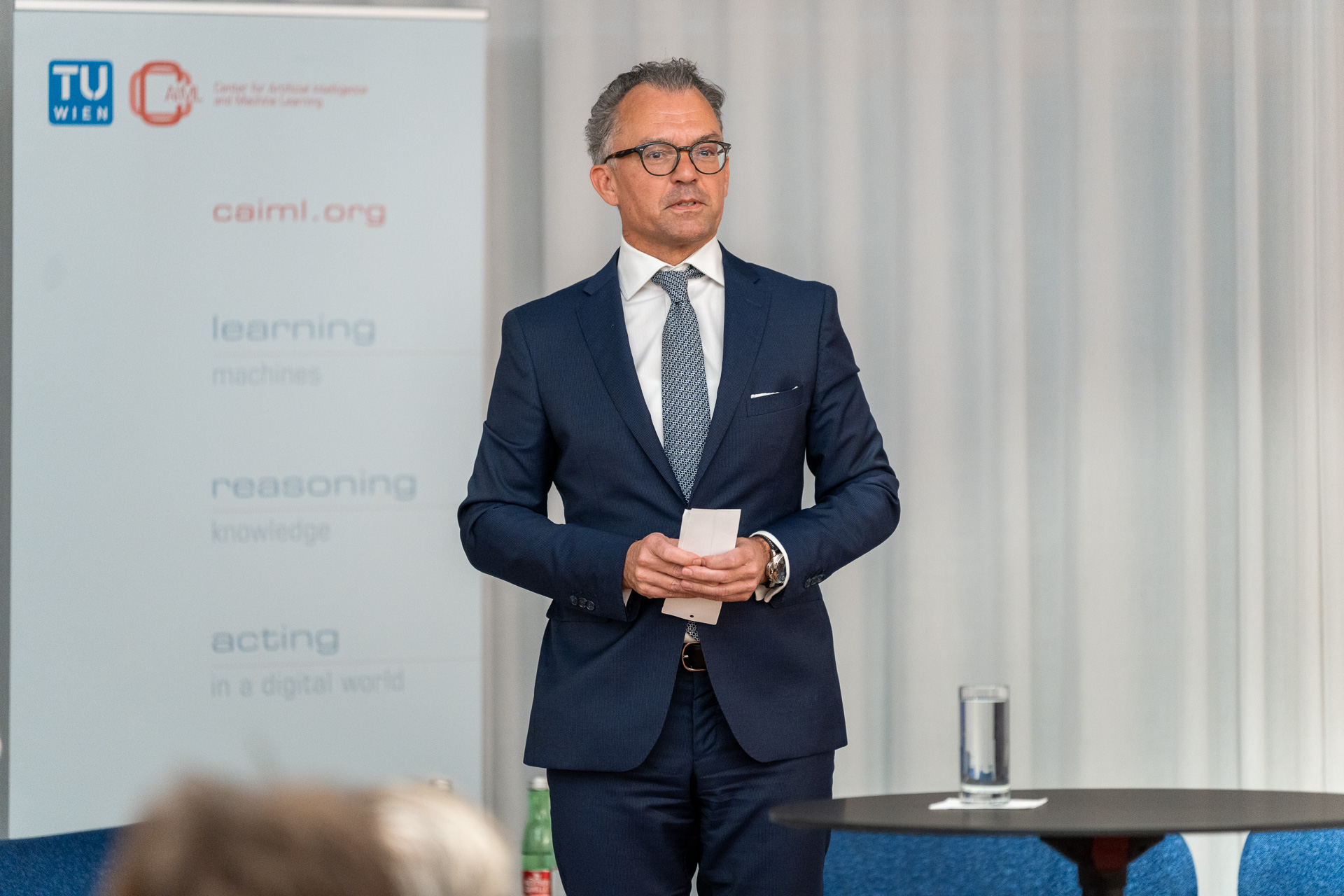
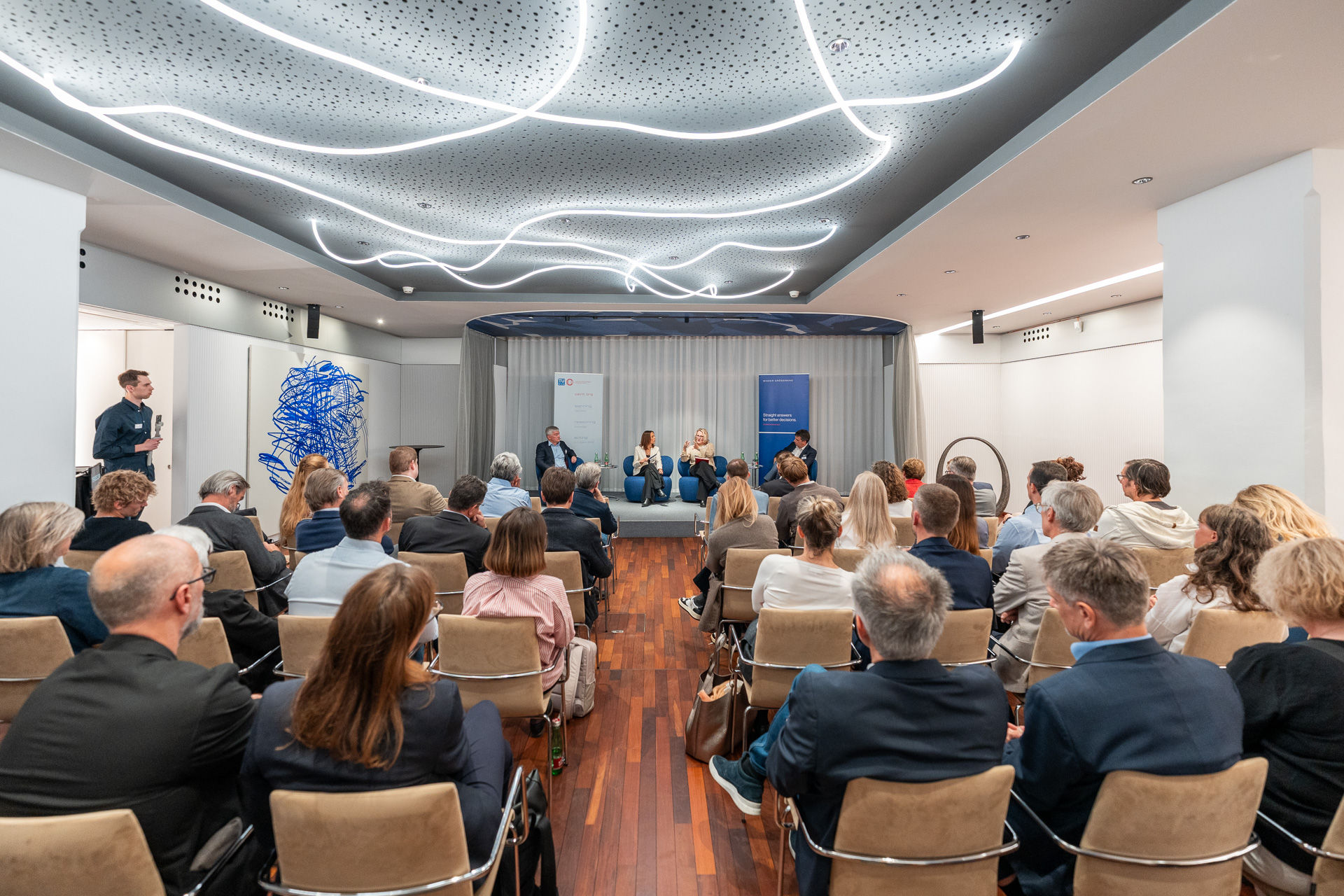
Binder Grösswang, together with the Center for Artificial Intelligence and Machine Learning (CAIML) at the Vienna University of Technology, invited to the panel discussion "AI and Ethics – What does AI do to our society?" at the Vienna office premises.
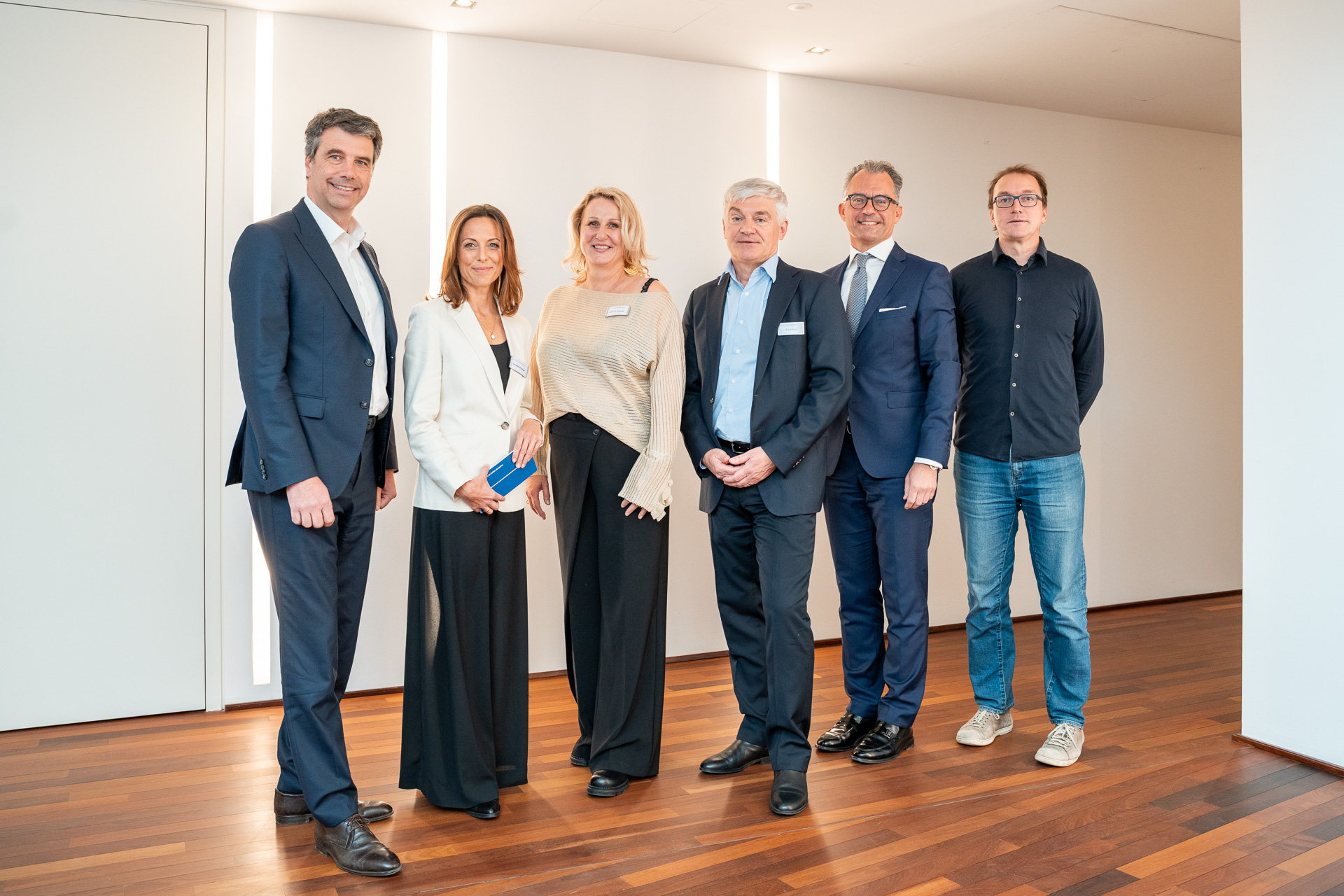
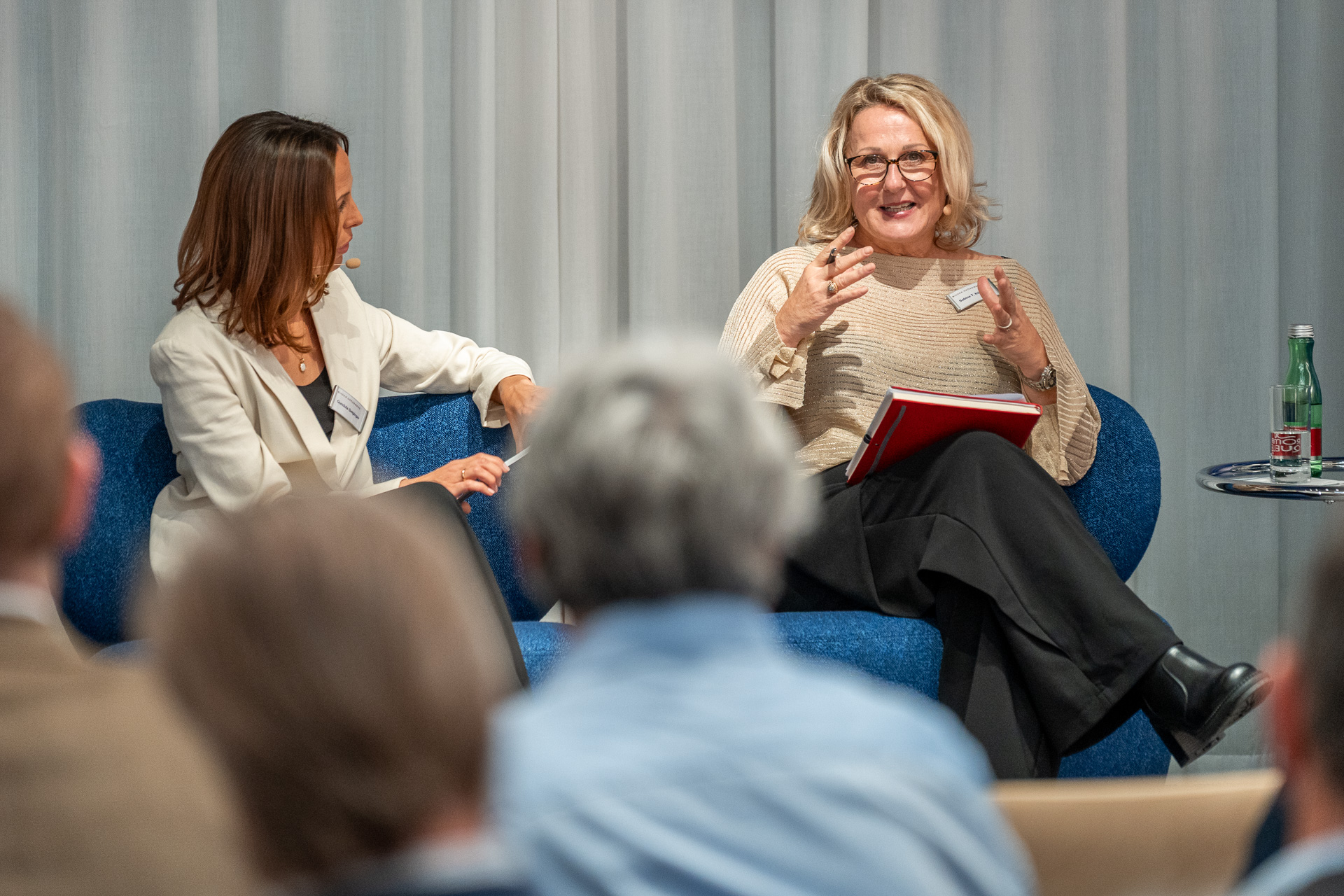
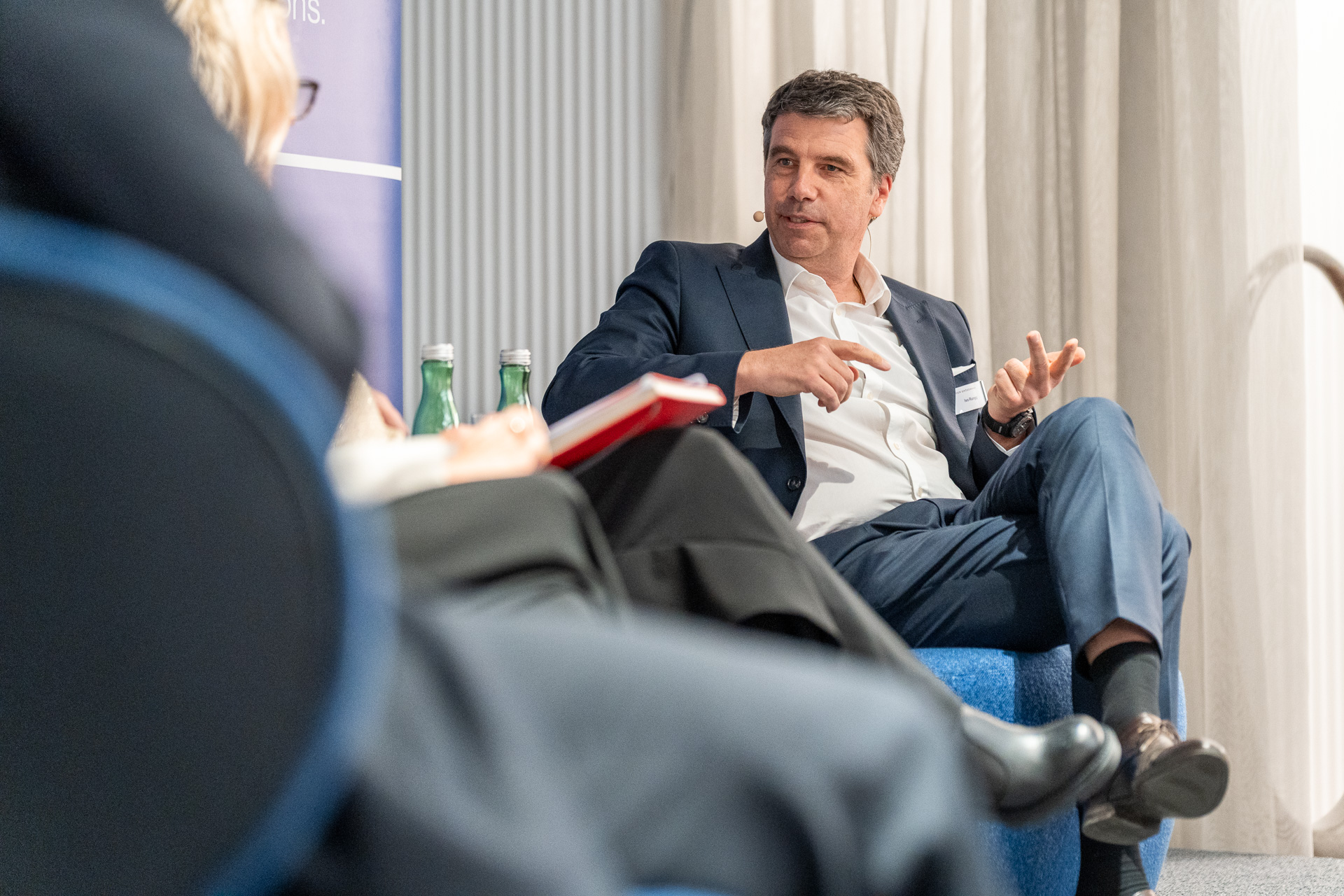
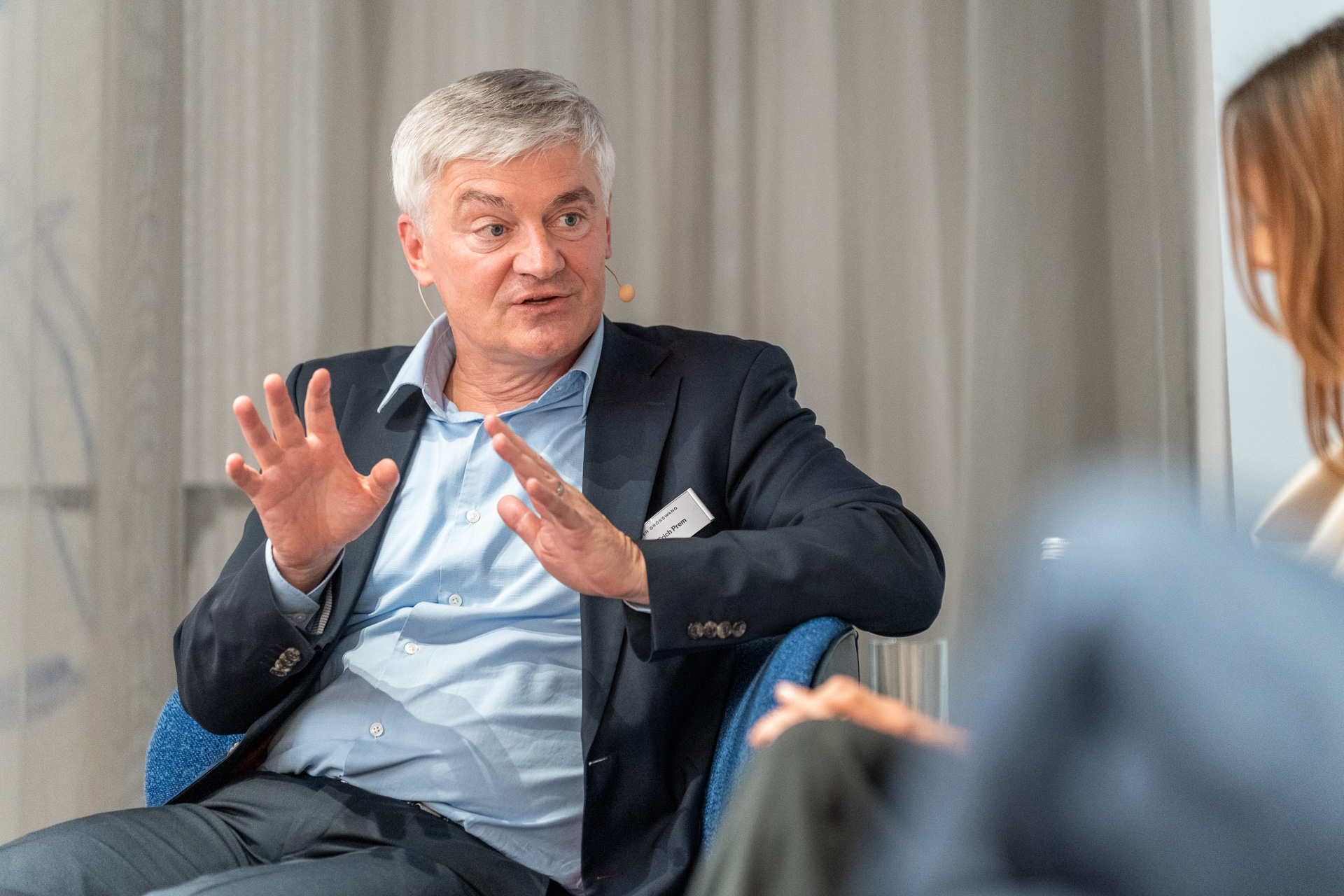
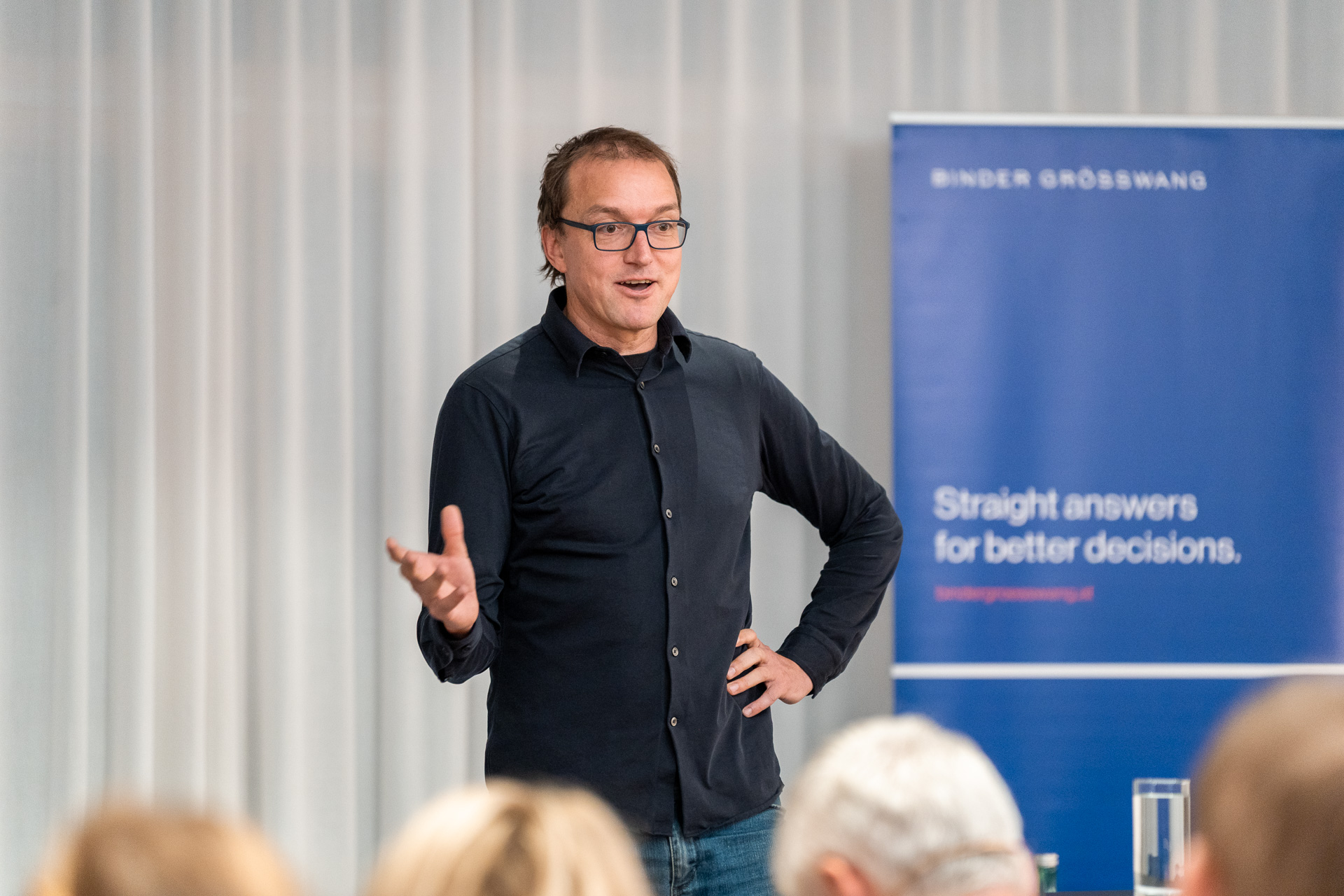
On the podium: Univ. Prof. Mag. Dr. Sabine T. Köszegi, ergonomics scientist, organizational researcher and head of the institute at the Institute of Management Sciences at the Vienna University of Technology. DDr. Erich Prem, founder and managing director of eutema GmbH and, on behalf of Binder Grösswang Rechtsanwälte, Dr. Ivo Rungg, partner and head of the Intellectual Property and Information Technology & Digital Law practice group. Gundula Geiginger from PULS 4 took over the moderation.
The evening began with a keynote speech by DDr. Erich Prem, who made an impressive plea for digital humanism. The focus was on the question of how artificial intelligence is changing our society – and how we can actively shape this development. AI, according to Prem, is no longer a topic of the future, but part of our everyday lives: It is found in smartphones, vehicles and platforms and influences what information we see, what decisions we make and what opportunities open up to us.
Prem warned of an increasingly "hyper-individualized world" in which data-based systems are displacing traditional values such as solidarity and care. Using the example of the insurance industry, he showed how algorithmic calculations suggest fairness, but at the same time change the common principle of solidarity.
Prem paid particular attention to the ethical challenges of recommendation systems. These shape perception and behavior without being able to take responsibility. Large platforms would thus gain unprecedented control power over consumption and information – a state that Prem described as "digital mercantilism". This gives rise to a new form of control power that raises questions about freedom, responsibility and fairness.
The law also reaches its limits here. Often, we live in a "consent fiction" – we accept terms of use without really understanding what they mean. What is considered "ethical AI" is also often defined by those who develop it. This creates a subtle digital pressure to standardize, which puts the balance between autonomy and control to the test.
Nevertheless, Prem was optimistic and emphasized that "progress must be shaped, not denied." "Perhaps we need to learn again to say no and set clear limits to technology – so that it serves people and not the other way around."
Univ.-Prof. Mag. Dr. Sabine T. Köszegi emphasized that technology is not fate, but is shaped by ourselves. Artificial intelligence is already bringing profound changes to the world of work: According to studies, every third hour of work could be automated in the future – across industries and especially for activities that can be standardized. At the same time, the demand for highly qualified specialists is increasing.
Köszegi warned that the elimination of classic entry-level jobs would have social consequences. "Digitization brings not only efficiency, but also social challenges," says Köszegi. "The income gap threatens to widen – we have to counter this with targeted pension provision and qualification."
At the same time, she emphasized the importance of human skills: "Everything that requires social contact, empathy and creativity will continue to be important." But analytical and problem-solving thinking must be trained in a more targeted manner in order to ensure innovative strength. It is becoming increasingly apparent that humans are increasingly outsourcing cognitive processes to technical aids. A phenomenon known as cognitive offloading. On the one hand, this relief has advantages, but at the same time it leads to the fact that central thinking skills are trained less.
This makes it all the more important to design technologies actively, transparently and value-oriented. "Progress must not be an end in itself," Köszegi stressed. It is crucial to use the opportunities of digital transformation in the interests of people – for a future in which innovation and ethics are in harmony.
When asked about bias in AI systems, Prem emphasized that artificial intelligence only ever learns from the data of the past and cannot develop visions like humans can. "Fairness is not a mathematical question, but a social one," said Prem. AI raises questions that we as a society must first negotiate. Europe has watched for too long, the implementation of legal frameworks is still too slow, and geopolitical dynamics also play a central role.
Dr. Ivo Rungg, emphasized that AI competence is a central key to ethical action and social responsibility. The ethical discussion cannot be resolved legally alone – not even by the AI Act. It is crucial that companies and society better understand how AI works and what decisions algorithms prepare. Governments must therefore invest more in digital education and awareness to promote the ability to reflect critically.
With regard to data protection, Rungg referred to the challenges posed by the processing of large amounts of data. These affect not only international platforms, but increasingly also companies in other industries, as many AI models can access personal and a variety of other data in the application. This gives rise to complex legal questions – for example with regard to GDPR, copyright and trade secrets, which are difficult for many organizations to keep track of without appropriate knowledge of the training and architecture of the models. "AI models are often pre-trained and difficult to understand – awareness of the value of data still needs to grow in Austria," he stressed.
Rungg also sees a need for action at the international level. Large AI models come mainly from the USA and China, which puts additional pressure on European users. At the same time, Europe can take a pioneering role with the smart, legally and ethically justifiable use of its data and its regulation to create trustworthy AI. "With the GDPR, the EU has succeeded in setting international standards for data protection. We also need a global minimum standard for artificial intelligence in the long term," Rungg said.
Conclusion of the evening: The discussion made it clear that artificial intelligence goes far beyond technical questions – it changes work, society and law in equal measure. The challenges range from legal issues such as liability, data protection and intellectual property to ethical responsibility and the design of a human-centered digital transformation. It will be crucial to develop clear guidelines that promote innovation while protecting fundamental values. There was agreement that AI is not only a technological issue, but above all a social and ethical topic of the future – with direct relevance for practice, politics, law and research. The discussants were confident that Europe can take a strong, responsible position in the global AI competition through clear framework conditions, high ethical standards and targeted competence promotion.
During joint networking with a culinary finale, the diverse aspects of artificial intelligence and digital transformation were discussed for a long time in a lively atmosphere.